
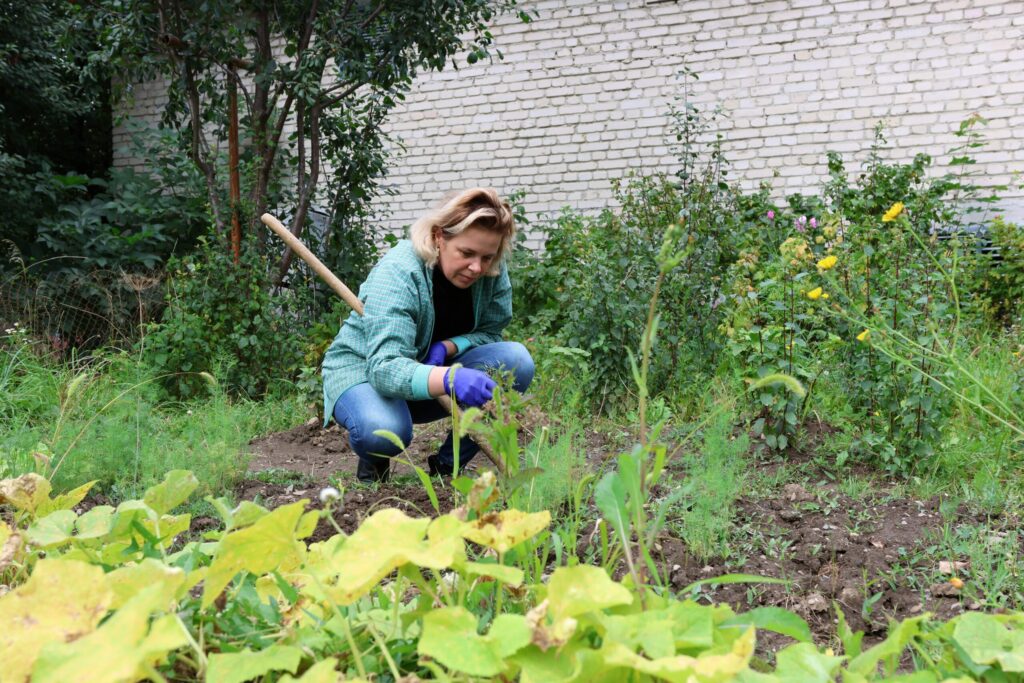
Gardening
Why Gardening Takes a Toll on Your Back
Weekend gardening feels productive and therapeutic—until Monday morning, when your back reminds you of every hour spent bent over flower beds. The problem isn’t gardening itself; it’s the posture and repetitive movements your body endures during yard work. Unlike gym exercises that engage your core intentionally, gardening keeps you in awkward positions for extended periods, compressing spinal discs and fatiguing the muscles that support your spine.
The most common culprits are prolonged kneeling, forward bending, and twisting motions. When you kneel to weed, your spine flexes forward, putting pressure on the discs between your vertebrae. Reach too far to the side while digging, and you’re rotating your torso against gravity—a recipe for muscle strain and irritation. Repeat these positions for hours, and the cumulative effect leaves your back sore, tight, and inflamed.
Common Gardening Postures That Strain Your Back
- Kneeling and bending: Compresses discs and strains lower back muscles.
- Reaching and twisting: Overstretches spinal ligaments and irritates muscles on one side of your torso.
- Repetitive digging: Fatigues stabilizer muscles, leaving your spine unsupported.
- Prolonged forward flexion: Keeps your back muscles in a shortened, weakened state long after you stop working.
Immediate Recovery Tips After Gardening
The key to preventing post-gardening pain is recovery within the same day. Start with gentle movement—a 10-minute walk helps loosen tight muscles without straining them further. Apply heat to your lower back for 15 to 20 minutes to increase blood flow and reduce muscle tension. If you notice swelling, ice for the first hour after activity, then switch to heat.
Gentle stretching matters too. Lie on your back with knees bent, then slowly pull one knee toward your chest and hold for 20 seconds. Repeat on the other side. This alleviates pressure on your lower spine. Follow with a child’s pose—kneel, sit your hips back toward your heels, and extend your arms forward—to decompress your entire spine. Hold for 30 seconds and repeat three times.
Micro-Stretches While You Garden
Don’t wait until you’re done. Take a two-minute break every 30 to 45 minutes. Stand up, place your hands on your lower back, and gently arch backward to counteract forward bending. Hold for 10 seconds. Then, standing with feet shoulder-width apart, slowly twist your torso left and right, allowing your arms to swing naturally. This resets muscle tension and prevents stiffness from accumulating.
Consider kneeling on a garden pad or foam cushion to reduce pressure on your knees and shift your weight more evenly. And remember: use your legs, not your back. When lifting soil bags or plants, bend at your knees and keep heavy objects close to your body.
Post-gardening soreness that eases within a day or two is normal. However, if pain persists beyond three days, radiates down your leg, or limits your movement, it’s time to schedule an appointment. Chiropractic adjustments realign your spine and restore mobility after repetitive strain. Massage therapy releases muscle tightness and improves circulation, while acupuncture can reduce inflammation and pain signaling. Dr. Overstad can also assess your movement patterns and suggest ergonomic adjustments for future gardening sessions.
Gardening doesn’t have to leave you hurt. With smart positioning, regular micro-breaks, and timely recovery care, you can enjoy your yard without paying the price in back pain.
Ready to talk? Call (612) 802-2580 or visit our contact page.
